
[ad_1]
Introduction to Italian Greyhounds
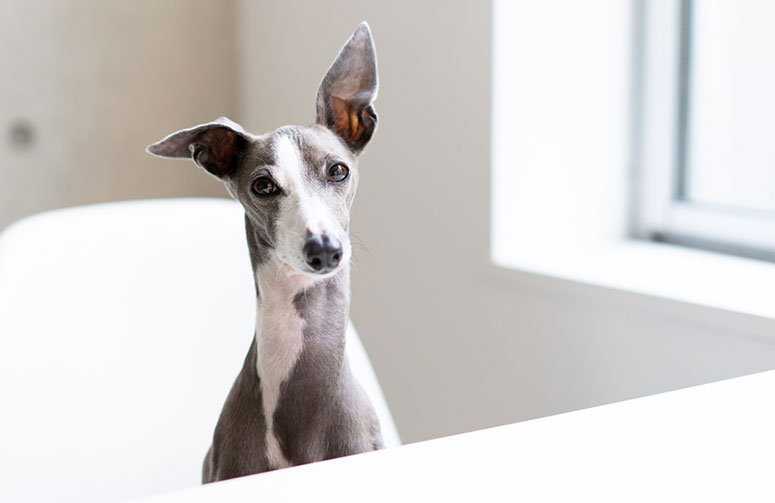
The playful and sensitive Italian greyhound is a Toy Group dog breed that is small and elegant. This canine companion is affectionate, graceful, and attentive. Ideal little lapdogs, Italian greyhounds are charming and love to be around people. However, they have a strong prey drive that makes their senses perk up if a cat is around, and they do best in warm weather that isn’t too chilly because of their low body fat levels and short coats.
Here is some information about the Italian greyhound breed to help you decide whether this is the right kind of pup to bring into your life.
Size of Italian Greyhounds
Italian greyhounds weigh between 7 and 14 pounds when fully grown and stand between 13 and 15 inches tall. They are small dogs but have more power and energy than you might expect.
Here’s how big you can expect your Italian greyhound to get as the dog grows from puppyhood to adulthood:
| Weight Chart | 15 weeks | 25 weeks | 35 weeks | 60 weeks |
| Male and female Italian greyhounds | 4 – 6 lbs. | 6 – 9 lbs. | 7 – 10 lbs. | 7 -14 lbs. |
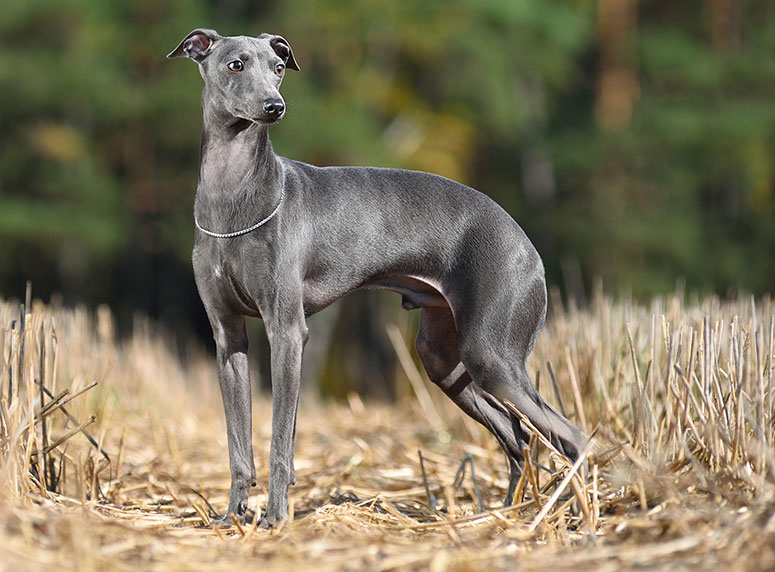
Characteristics of Italian Greyhounds
Some of the most common characteristics of an Italian greyhound are the dog’s sensitivity and gentleness. These dogs are often timid with strangers but good with kids and other pets. But since they are small dogs, they could become injured by rowdy children and large dogs who play too rough.
As you get to know an Italian greyhound’s personality, here’s what you can expect based on their breed characteristics:
| Breed Characteristic | Level (High, Medium, Low) |
| Affectionate with People | High |
| Good with Kids | High |
| Good with Pets | Medium |
| Need for Exercise | Medium |
| Energy Level | Medium |
| Intelligence Level | Medium |
| Able to Be Trained | Medium |
| Amount of Barking | Medium |
| Amount of Shedding | Medium |
History of Italian Greyhounds
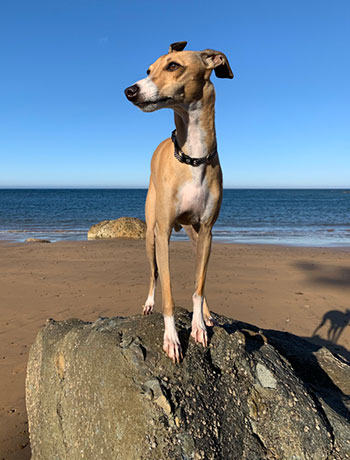
The name “greyhound” might mislead some dog lovers because these dogs are not large hunters capable of great speeds. However, despite their size, they are swift and hardy and have been bred as companion dogs for over 2,000 years. They were first bred in the regions now known as Greece and Turkey when the Roman Empire ruled the land.
The Italian greyhound may have been used as a small game hunter in southern Europe in ancient times but really became popular as a status symbol among aristocrats. You’ll often see the dogs depicted in Renaissance-era paintings. They sat on the laps of many noble people in Europe over the years, and historical records show that an African king once traded 200 cattle for a single one of these dogs.
The American Kennel Club first recognized the breed and registered its first Italian greyhound in 1886. World Wars I and II nearly wiped out many breeds of dogs, including the Italian greyhound. However, American breeders keep the breed alive and repopulating. Today, these dogs often compete in shows and frequently excel at lure coursing because of their impressively powerful bodies.
Italian Greyhound Standard Information
The Italian greyhound is the smallest of its breed family but has many other distinguishing characteristics besides its size. Despite their size, they are actually quite similar to full-size greyhounds in terms of their slender build, grace, and elegance.
Here is an overview of the breed standard information for Italian greyhounds:
Head:
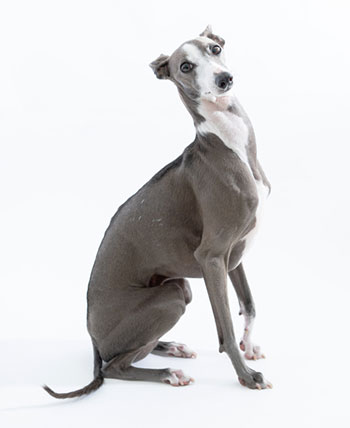
- Narrow, long, and tapers to the nose
- Long and fine muzzle
- Dark nose that is black or brown
- Dark, intelligent, bright, and medium size eyes
- Small and fine-textured ears
Neck, Topline, Body:
- Long, slender, and arched neck
- Medium length body
- Curved back that droops at hindquarters
- Deep and narrow chest
Forequarters:
- Long, straight forelegs with strong pasterns
- Fine bone structure
Hindquarters:
- Long and well-muscled thighs
- Hind legs parallel when viewed from behind
- Feet are harefoot style with well-arched toes
- Dewclaw removal is optional
Coat:
- Skin is fine and supple
- Hair is short, glossy, and satin-like
Color:
- Almost any colors and markings are acceptable
- The exception is dogs with brindle markings and tan markings found on black-and-tan dogs
Caring for Italian Greyhounds
Italian greyhounds are dogs that want to be in your lap or sit next to you rather than on the floor or out in a yard. They are ideal for apartment life but also excel at and enjoy agility training and rally competitions due to their athleticism. These are very sensitive dogs that despise being alone and dislike cold weather. Despite this breed’s sensitivities, it is a good breed for first-time pet parents. Italian greyhounds are gentle dogs that love their family members but are often shy with strangers.
Here are some general tips for taking the best care of an Italian greyhound:
Best Living Environments:
- Apartments
- Homes with places to climb and high spots to reach
- Households with children, although somewhat skittish with rough-housing young children
- Mild climates that aren’t too hot or cold
Type of Exercise:
- Active but low-maintenance dogs
- A few short walks per day
- A few play sessions per day
Mental Enrichment:
- Games that stimulate the dog’s curiosity
- Plenty of playtime with family members
Training Strategies:
- Generally easy to train with a good attitude
- These intelligent and sensitive dogs can be fearful or snappy with harsh treatment
- Keep a playful and encouraging attitude with training
- Housetraining can be a challenge
Grooming Tips:
- Generally easy to groom
- Glossy coat doesn’t require much maintenance
- Bath when dirty or after rolling in something smelly
- Brush teeth daily
- Trim nails once or twice monthly
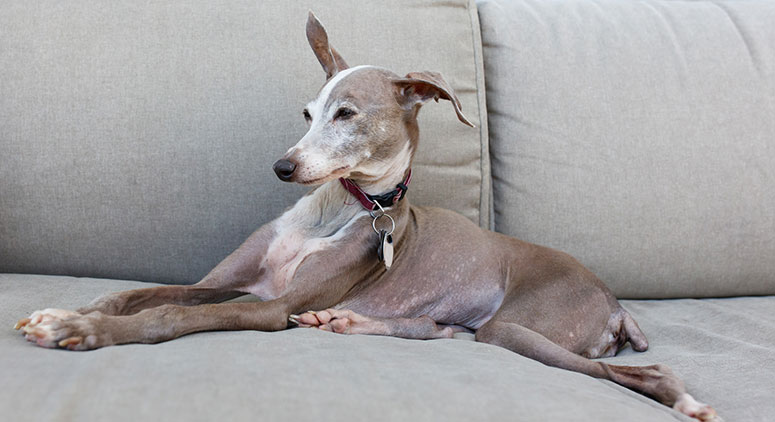
Common Health Problems of Italian Greyhounds
The average life expectancy of an Italian greyhound is 14 to 15 years. This is a dog breed with significant longevity, so you can expect to have many wonderful years with your pet. Italian greyhounds are generally healthy dogs but still have some medical concerns to be aware of.
These are some of the most common health issues that arise with Italian greyhounds:
- Cataracts
- Hip and elbow dysplasia
- Von Willebrand disease (bleeding disorder)
- Progressive retinal atrophy (eye disease)
- Vitreous degeneration (eye disease)
- Legg-Calve Perthes disease (hip joint disorder)
- Hypothyroidism
- Patellar luxation (slipped knees)
- Epilepsy
- Cryptorchidism (testicles fail to descend)
- Portosystemic shunt (blood flow issue between the liver and rest of the body)
- Skin cancer because of the dog’s love of sunshine
Diet and Nutrition for Italian Greyhounds
Fully grown Italian greyhounds need about ½ cup to ¾ cup total per day of high-quality, dry dog food. However, discuss the portion recommendation with your vet based on your dog’s age, activity level, and other health issues. Some pet parents choose homemade and fresh diets for their Italian greyhounds, but it is important to do careful research and consult with a veterinary nutritionist with this approach to meet the dog’s nutritional needs. Italian greyhounds with allergies, chronic ear infections, skin issues, digestion problems, or immune disorders may benefit from diets that are specifically formulated to address these health issues.
Where to Adopt or Purchase Italian Greyhounds
The Italian Greyhound Club of America is the parent breed for the club and a resource for both breeder referrals and rescue dogs. Breeder referral listings on the organization’s website are categorized by state and offer contact information. The organization runs the Italian Greyhound Rescue Foundation to help you find a rescue organization in your state or volunteer your time to help dogs in need of support. Numerous rescue organizations have a regional focus, such as the Indiana Italian Greyhound Rescue and Midwest Italian Greyhound Rescue.
Related Breeds
If everything you’ve read so far about the Italian greyhound appeals to you, you might also be interested to learn about similar and related breeds, including these:
- Greyhound
- Toy fox terrier
- Miniature pinscher
- Ibizan hound
- Pharoah hound
- Arabian greyhound
- Spanish greyhound
- Scottish deerhound
Pet Insurance for Italian Greyhounds
To take the very best care of your little buddy, you need Healthy Paws pet insurance for peace of mind that you can always pay for unexpected vet bills. We offer Italian greyhound insurance for young, senior, and every dog in between. With Healthy Paws on your side, you can feel confident that you can afford the medical care that your Italian greyhound needs, whether it is emergency treatment, cancer care, ongoing care for a genetic condition, or alternative care. As small dogs needing our care and protection, Italian greyhounds benefit from pet insurance coverage for the common issues with this breed.
Tell us just a few details about your pet, and we’ll send you an Italian greyhound insurance quote so you can take the next step in protecting your dog and your wallet!
[ad_2]
Source link
